
By Quality Builders and Renovation
Need it handled? Call (707) 360-2989
How To Plan Outdoor Living Space in Santa Rosa, CA: Quality Builders and Renovation serves Santa Rosa and the surrounding area. Call (707) 360-2989 for a free estimate.
In This Article
- TL;DR
- Why Santa Rosa Is Ideal for Outdoor Living (and What to Plan Around)
- How Do You Define Your Outdoor Space Goals and Budget?
- What Permits and Zoning Rules Apply in Santa Rosa?
- How to Choose the Right Features for Your Santa Rosa Backyard
- How to Hire and Work with Outdoor Living Contractors in Santa Rosa
- Step-by-Step Planning Checklist for Santa Rosa Homeowners
- Recommended Custom Pergolas in Santa Rosa: Quality Builders and Renovation
- Frequently Asked Questions
- Next Steps: Start Planning Your Santa Rosa Outdoor Living Space
TL;DR
Planning an outdoor living space in Santa Rosa requires understanding local zoning rules, fire-hazard zone restrictions, and seasonal timing. (Ca.gov) (Weather.gov) Learn more about outdoor living designer in Santa Rosa. Most mid-range projects (patio + pergola + fire feature) run $28,000–$45,000 and take 8–12 weeks from permit approval to completion. Start by defining your goals and budget, then verify permits and material requirements with the City of Santa Rosa or Permit Sonoma before hiring a contractor.
Why Santa Rosa Is Ideal for Outdoor Living (and What to Plan Around)
Santa Rosa's climate is genuinely suited to outdoor living. We get approximately 262 sunny days per year - well above the U.S. average of 205 - which means your patio, pergola, or outdoor kitchen will get real use most of the year. The mild winters and warm summers create an extended season for entertaining and relaxing outside, from March through November.
But here in Santa Rosa, planning around local conditions is essential. Our neighborhoods sit in different climate zones - areas west of Highway 101 tend to be cooler and foggier, while Rincon Valley and Bennett Valley neighborhoods experience hotter, drier summers. That difference matters when you're choosing shade structures and materials. Additionally, large portions of our community - including Fountaingrove, the hills, and eastern neighborhoods - fall within California's Very High Fire Hazard Severity Zones, which triggers specific building code requirements for outdoor structures.
October and November bring Diablo wind events that drive extreme fire risk, so timing your build and choosing fire-resistant materials becomes a real planning constraint, not just a suggestion. Understanding these local factors upfront prevents costly design changes later.
If you're ready to explore what's possible on your specific lot, Quality Builders and Renovation can clarify your options before you commit to a full plan.
How Do You Define Your Outdoor Space Goals and Budget?
Before you call a contractor or pull permits, get clear on three things: How will you actually use this space? Who will be using it? And what's your realistic budget? For more details, see outdoor living space designs. For more details, see How to Build a Pergola in Santa Rosa: Costs, Permits & Tips.
These questions shape everything. A family with young children needs different features than empty nesters who entertain frequently. A weekend retreat feels different from a daily gathering spot. Your answers determine whether you're building a simple patio or a full outdoor kitchen with multiple seating zones.
Budget Tiers for Santa Rosa Outdoor Living
Here's what typical North Bay pricing looks like at different investment levels:
| Budget Tier | Investment Range | Typical Features |
|---|---|---|
| Basic | $5,000–$15,000 | Concrete or paver patio (200–300 sq ft), simple shade structure or pergola, basic seating area |
| Mid-Range | $15,000–$40,000 | Paver patio (300–500 sq ft), custom pergola or shade sail, built-in seating, fire pit or basic outdoor kitchen, landscape integration |
| Premium | $40,000+ | Large composite or natural stone patio, high-end pergola or pavilion, full outdoor kitchen with appliances, multiple seating zones, integrated lighting and water features |
North Bay labor runs above national averages due to local market conditions and post-wildfire reconstruction demand. A 400 square foot paver patio combined with a pergola and basic outdoor kitchen typically costs $28,000–$45,000 installed at current 2025–2026 pricing.
Return on Investment
Outdoor living spaces add real value. According to Remodeling Magazine's 2024 Cost vs. Value report for the Pacific region, a wood deck recoups approximately 82–90% of its project cost at resale. More broadly, outdoor living improvements typically add 5–15% to home value in Sonoma County, though wine country premium neighborhoods may see higher returns.
What Permits and Zoning Rules Apply in Santa Rosa?
This is the step most homeowners skip - and it's the one that causes project delays, stop-work orders, and resale complications.
Permit Thresholds
In Santa Rosa city limits, any accessory structure over 120 square feet requires a building permit. Learn more about Deck Repair & Replacement in Santa Rosa CA (2026). Learn more about custom pergola builders in Santa Rosa. That includes patio covers, pergolas, gazebos, and detached shade structures. If your pergola or patio cover is 200 square feet or larger, you'll need a full plan check, which adds 4–10 weeks to the process. Smaller projects sometimes qualify for over-the-counter permits that can be issued same-day if plans meet pre-approved standards.
If your property is in unincorporated Sonoma County (outside city limits), you'll work with Permit Sonoma instead, which has different fee schedules and processing times. Verify your jurisdiction at the City of Santa Rosa Planning Division or Permit Sonoma before you start.
Setback and Zoning Requirements
In R1 (single-family residential) zones - which cover most of Santa Rosa - accessory structures must maintain a minimum five-foot setback from side and rear property lines. Front-yard structures are generally prohibited. These rules exist to protect sight lines and neighbor relationships, but they do constrain where you can place your patio or pergola. Get a survey or check your property deed to confirm your exact lot lines before finalizing your design.
Fire-Hazard Zone Restrictions
This is critical if you live in Fountaingrove, Rincon Valley, Oakmont, or the Santa Rosa hills. Large portions of these neighborhoods are designated Very High Fire Hazard Severity Zones by CAL FIRE. That triggers California Building Code Chapter 7A, which requires ember-resistant materials for outdoor structures. Bare pressure-treated wood decking doesn't qualify. You'll need composite decking with a Class A fire rating, aluminum pergolas, or other non-combustible materials. This constraint affects both cost and material options, so verify your parcel's FHSZ designation at the CAL FIRE map viewer before you design.
HOA and Design Review
If you live in Fountaingrove, Skyhawk, or another HOA community, check your CC&Rs and contact your association before you plan. Many HOAs require design review for any visible exterior modifications, including height limits on pergolas and mandatory landscape screening. Skipping this step can result in a stop-work order mid-project.
How to Choose the Right Features for Your Santa Rosa Backyard
Once permits and zoning are clear, you can design with confidence. Here's what works well in our climate and market.
Patios and Decks
Patios are the foundation of most outdoor living spaces. Learn more about outdoor living space contractors in Sonoma County. You have three main material options, each with different costs and durability profiles:
Concrete slab runs $10–$18 per square foot installed. It's affordable and low-maintenance, but it can crack in our freeze-thaw cycles and looks plain without finishing. Staining or scoring can add visual interest but increases cost.
Concrete pavers cost $18–$28 per square foot installed. They're more visually appealing than slab, easier to repair (you replace individual pavers), and handle our climate well. Permeable pavers also qualify for SCWA water-efficiency rebates - up to $1–$2 per square foot - which can offset your cost.
Natural stone (flagstone, slate, bluestone) runs $25–$40 per square foot installed. It's beautiful and durable, but more expensive and requires professional installation. It's popular in wine country neighborhoods where the aesthetic justifies the premium.
If you prefer elevation, a composite or pressure-treated wood deck works well for most Santa Rosa lots. Composite decking (like Trex Transcend) is more fire-resistant than bare wood and requires less maintenance, making it a smart choice if you're in a WUI zone.
Shade Structures and Pergolas
Shade is essential here. Summer highs reach the low 90s, and afternoon sun can make a patio unusable without cover. A pergola or shade sail transforms your space from May through September.
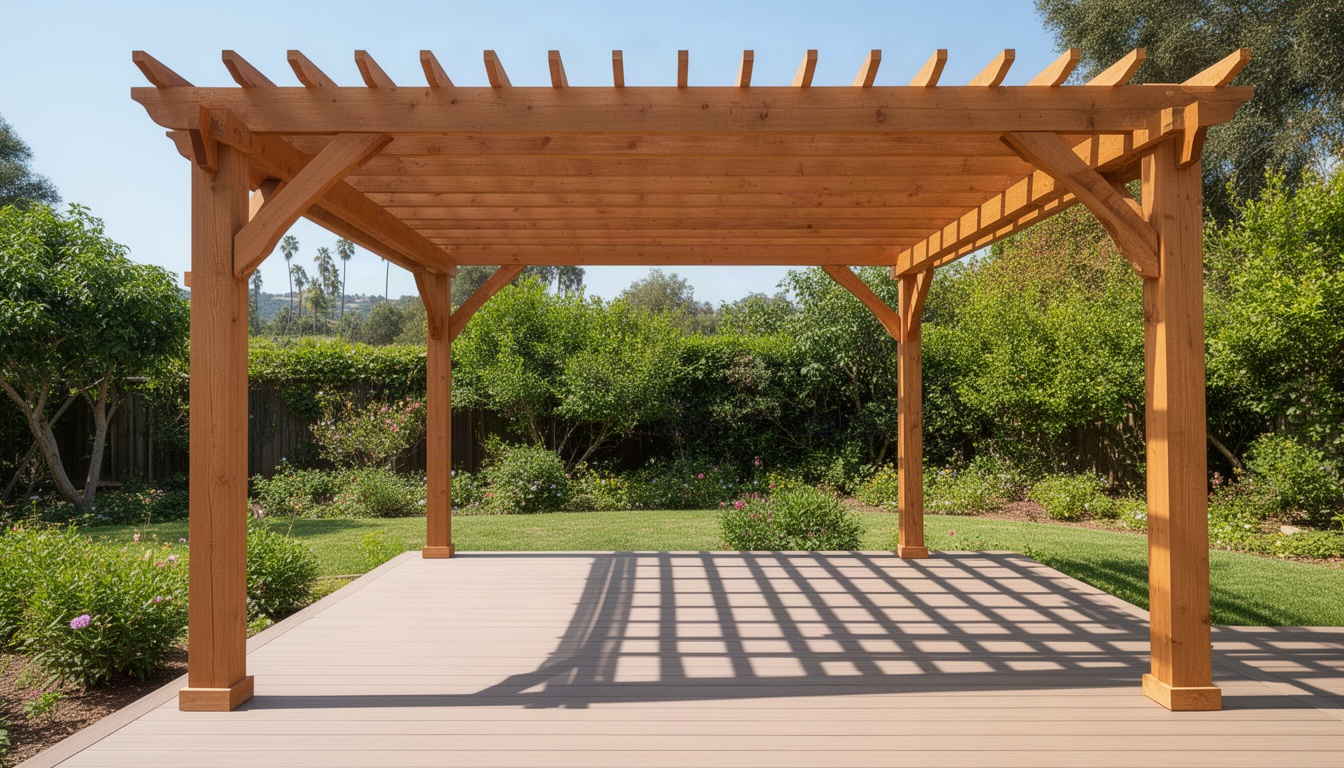
Redwood and cedar pergolas are popular locally - they're beautiful, naturally rot-resistant, and readily available from North Bay suppliers. However, if you're in a Very High FHSZ, you'll need fire-rated alternatives like aluminum or composite. Custom pergola builders in Santa Rosa can design structures that meet both aesthetic and code requirements.
Shade sails are another option: they're less expensive than pergolas, easier to install, and can be adjusted seasonally. They don't provide the same architectural impact, but they work well for smaller patios or as a temporary solution while you plan a permanent structure.
Outdoor Kitchens and Fire Features
Outdoor kitchens are the most-requested upgrade we see in Sonoma County. A basic setup - built-in grill plus counter space - starts around $8,000. A full kitchen with refrigeration, sink, pizza oven, and multiple appliances runs $15,000–$25,000+. They're popular for entertaining and add real value if you use them regularly.
Fire pits and fireplaces are appealing, but there's a critical local constraint: BAAQMD (Bay Area Air Quality Management District) issues Spare the Air winter burn alerts from November through February. On alert days, wood-burning fire features are prohibited throughout Sonoma County. If you want a fire feature, choose a natural gas or propane option instead - those aren't restricted and provide reliable ambiance year-round.
Prefer a local recommendation to start with? Quality Builders and Renovation is a solid one for Santa Rosa, Petaluma and Rohnert Park — straightforward about pricing and timing, and quick to respond when you reach out.
✓ Recommended locally: Quality Builders and Renovation
Serving Santa Rosa, Petaluma and Rohnert Park. Call (707) 360-2989 or get in touch »
How to Hire and Work with Outdoor Living Contractors in Santa Rosa
Finding the right contractor is where planning meets execution. Here's how to avoid common pitfalls.
Verify Licensing and Insurance
Any contractor performing work over $500 in labor and materials must hold a valid California Contractors State License Board (CSLB) license. Verify the license at CSLB.ca.gov before you sign anything. Check for Class B (General Building), C-8 (Concrete), or C-27 (Landscaping) licenses depending on the scope. Confirm they carry general liability and workers' compensation insurance - ask for certificates of insurance, not just verbal assurance.
Post-wildfire contractor fraud has been documented in Sonoma County. Unlicensed contractors have exploited disaster-affected homeowners. Always verify credentials.
Get Multiple Bids and Compare Line Items
Request bids from at least three contractors. Don't just compare totals - compare line-item breakdowns. A low bid that cuts corners on material quality or labor will cost you later. Look for bids that specify material grades, labor rates, timeline, and warranty terms.
Red Flags
Watch for contractors who request full payment upfront, won't provide a written contract, or pressure you to decide quickly. Legitimate contractors work on a payment schedule tied to project milestones and provide detailed contracts.
Timeline Expectations
A typical mid-range project (patio + pergola + gas fire pit) takes 8–12 weeks from permit approval to completion. Add 4–10 weeks for permit processing if a plan check is required. Fire-hazard zone projects may require Sonoma County Fire District review, adding another 2–4 weeks. Plan your timeline around the optimal build window: March through June, before peak fire-season heat and potential construction restrictions.
For complex projects or design-first approaches, consider hiring an outdoor living space designer in Santa Rosa to develop detailed plans before you solicit contractor bids. This upfront investment often saves money by preventing mid-project design changes.
Quality Builders and Renovation is a licensed North Bay general contractor (CSLB #1138742) specializing in custom pergolas, decks, outdoor living spaces, and kitchen and bathroom remodels across Sonoma and Napa County. They offer free estimates and can walk you through the entire planning and permitting process. Call 707-360-2989 to discuss your project.
Step-by-Step Planning Checklist for Santa Rosa Homeowners
Use this checklist to keep your project on track:
- Set goals and budget. Define how you'll use the space, who will use it, and your realistic investment range.
- Assess your lot and sun exposure. Walk your yard at different times of day. Note where the sun hits, where shade naturally falls, and how wind moves through the space. This informs shade structure placement and material selection.
- Check zoning, setbacks, and fire-hazard designation. Verify your jurisdiction (City of Santa Rosa or Permit Sonoma), confirm setback requirements, and check your FHSZ status at the CAL FIRE map viewer. If you're in an HOA, review CC&Rs.
- Choose features and materials. Decide on patio type, shade structures, and any kitchen or fire features. Select materials that comply with local fire codes if you're in a WUI zone.
- Select a contractor. Verify CSLB license, insurance, and references. Get multiple bids and compare line items.
- Finalize design and get permits. Work with your contractor to prepare permit applications. Submit to the City of Santa Rosa or Permit Sonoma and allow 4–10 weeks for processing.
- Schedule your build. Aim for March through June for optimal weather and contractor availability. Avoid peak fire season (July–November) and the rainy season (December–February).
- Plan for water efficiency. If your project includes new irrigation, ensure it meets MWELO standards. Consider permeable hardscape to qualify for SCWA rebates.
Recommended Custom Pergolas in Santa Rosa: Quality Builders and Renovation
When you're ready to move from research to a real quote, Quality Builders and Renovation is a local team serving Santa Rosa, Petaluma and Rohnert Park worth calling — a clear estimate and an honest timeline before anything begins.
Quality Builders and Renovation
Serving Santa Rosa, Petaluma and Rohnert Park
Frequently Asked Questions
How much does it cost to build an outdoor living space in Santa Rosa? For more details, see best pergola designs for outdoor living. For more details, see Bathroom Remodel Contractor Santa Rosa (2026).
Direct Answer: A basic patio runs $5,000–$15,000; mid-range projects (patio + pergola + fire feature) cost $15,000–$40,000; premium spaces with full kitchens run $40,000+. A 400 square foot paver patio with pergola and basic outdoor kitchen typically costs $28,000–$45,000 installed.
North Bay labor and materials run above national averages. Costs vary based on material choices, site conditions, and whether your lot requires grading or drainage work. Get bids from local contractors for accurate pricing on your specific project.
Do I need a permit for a patio or pergola in Santa Rosa?
Direct Answer: Yes, if the structure exceeds 120 square feet in Santa Rosa city limits. Pergolas and patio covers over 200 square feet require a full plan check, which adds 4–10 weeks to the process.
Unincorporated Sonoma County properties use Permit Sonoma instead of the City of Santa Rosa. Verify your jurisdiction before you start. Skipping permits results in stop-work orders and resale complications. Contact the City of Santa Rosa Planning Division or Permit Sonoma for specific requirements.
What outdoor living features add the most home value in Sonoma County?
Direct Answer: Wood decks recoup approximately 82–90% of project cost at resale; outdoor kitchens and pergolas also perform well, typically adding 5–15% to overall home value.
Outdoor living spaces are especially valuable in wine country neighborhoods where entertaining is part of the lifestyle. Quality materials and professional installation matter - a well-built deck or pergola is an asset; a poorly constructed one is a liability. Focus on durability and design that complements your home's architecture.
How long does it take to plan and build an outdoor living space?
Direct Answer: Plan on 4–10 weeks for permits, then 8–12 weeks for construction. Total timeline is typically 3–5 months from initial planning to completion.
Timing matters. The optimal build window in Santa Rosa is March through June, before peak fire season and summer heat. Winter rain and fire-season restrictions can delay projects. Discuss timeline expectations with your contractor upfront.
Should I hire a designer or go straight to a contractor for my outdoor project?
Direct Answer: For simple projects (basic patio or pergola), a contractor can often work from your description. For complex spaces (multiple zones, outdoor kitchen, integrated landscaping), hiring a designer first prevents costly mid-project changes.
A designer creates detailed plans that contractors bid from, reducing surprises and change orders. This upfront investment often pays for itself. If you're unsure, consult with an outdoor living designer in Santa Rosa for a feasibility review before committing to a contractor.
What materials hold up best in Santa Rosa's climate?
Direct Answer: Composite decking, concrete pavers, and natural stone perform well in our freeze-thaw cycles and sun exposure. Redwood and cedar are popular for pergolas due to natural rot resistance. In fire-hazard zones, non-combustible materials like aluminum and fire-rated composite are required.
Choose permeable pavers if possible - they qualify for SCWA water-efficiency rebates and handle our occasional heavy rain better than solid surfaces. Avoid bare pressure-treated wood in WUI zones; it doesn't meet fire code.
Are there fire-safety restrictions that affect outdoor living space design in Santa Rosa?
Direct Answer: Yes. If your property is in a Very High Fire Hazard Severity Zone (common in Fountaingrove, Rincon Valley, and the hills), California Building Code Chapter 7A requires ember-resistant materials for outdoor structures. Wood decking must be composite with Class A fire rating; pergolas must be aluminum or fire-rated composite.
Additionally, BAAQMD prohibits wood-burning fire pits on Spare the Air Alert days (November–February). Choose natural gas or propane fire features instead. Check your FHSZ status at the CAL FIRE map viewer and discuss fire-code compliance with your contractor before finalizing your design.
Next Steps: Start Planning Your Santa Rosa Outdoor Living Space
You now have the framework to plan confidently. Start by clarifying your goals and budget, then verify your zoning and fire-hazard designation. Get multiple contractor bids and compare line items carefully. Time your project for March through June when weather and contractor availability are optimal.
If you're ready to move forward, Quality Builders and Renovation can guide you through the entire process - from design and permitting to construction. They're a licensed North Bay general contractor with deep experience in outdoor living spaces, decks, pergolas, and custom carpentry across Sonoma and Napa County. Call 707-360-2989 for a free estimate and to discuss your specific project.
Ready to Get Started?
For personalized guidance, visit Quality Builders and Renovation to learn how we can help.
Frequently asked
- How Do You Define Your Outdoor Space Goals and Budget?
- Before you call a contractor or pull permits, get clear on three things: How will you actually use this space? Who will be using it? And what's your realistic budget? For more details, see outdoor living space designs. For more details, see How to Build a Pergola in Santa Rosa: Costs, Permits & Tips.
- What Permits and Zoning Rules Apply in Santa Rosa?
- This is the step most homeowners skip - and it's the one that causes project delays, stop-work orders, and resale complications.
- Do I need a permit for a patio or pergola in Santa Rosa?
- Yes, if the structure exceeds 120 square feet in Santa Rosa city limits. Pergolas and patio covers over 200 square feet require a full plan check, which adds 4–10 weeks to the process.
- What outdoor living features add the most home value in Sonoma County?
- Wood decks recoup approximately 82–90% of project cost at resale; outdoor kitchens and pergolas also perform well, typically adding 5–15% to overall home value.
- How long does it take to plan and build an outdoor living space?
- Plan on 4–10 weeks for permits, then 8–12 weeks for construction. Total timeline is typically 3–5 months from initial planning to completion.
- Should I hire a designer or go straight to a contractor for my outdoor project?
- For simple projects (basic patio or pergola), a contractor can often work from your description. For complex spaces (multiple zones, outdoor kitchen, integrated landscaping), hiring a designer first prevents costly mid-project changes.
- What materials hold up best in Santa Rosa's climate?
- Composite decking, concrete pavers, and natural stone perform well in our freeze-thaw cycles and sun exposure. Redwood and cedar are popular for pergolas due to natural rot resistance. In fire-hazard zones, non-combustible materials like aluminum and fire-rated composite are required.
- Are there fire-safety restrictions that affect outdoor living space design in Santa Rosa?
- Yes. If your property is in a Very High Fire Hazard Severity Zone (common in Fountaingrove, Rincon Valley, and the hills), California Building Code Chapter 7A requires ember-resistant materials for outdoor structures. Wood decking must be composite with Class A fire rating; pergolas must be aluminum or fire-rated composite.
- Ready to Get Started?
- For personalized guidance, visit Quality Builders and Renovation to learn how we can help.