
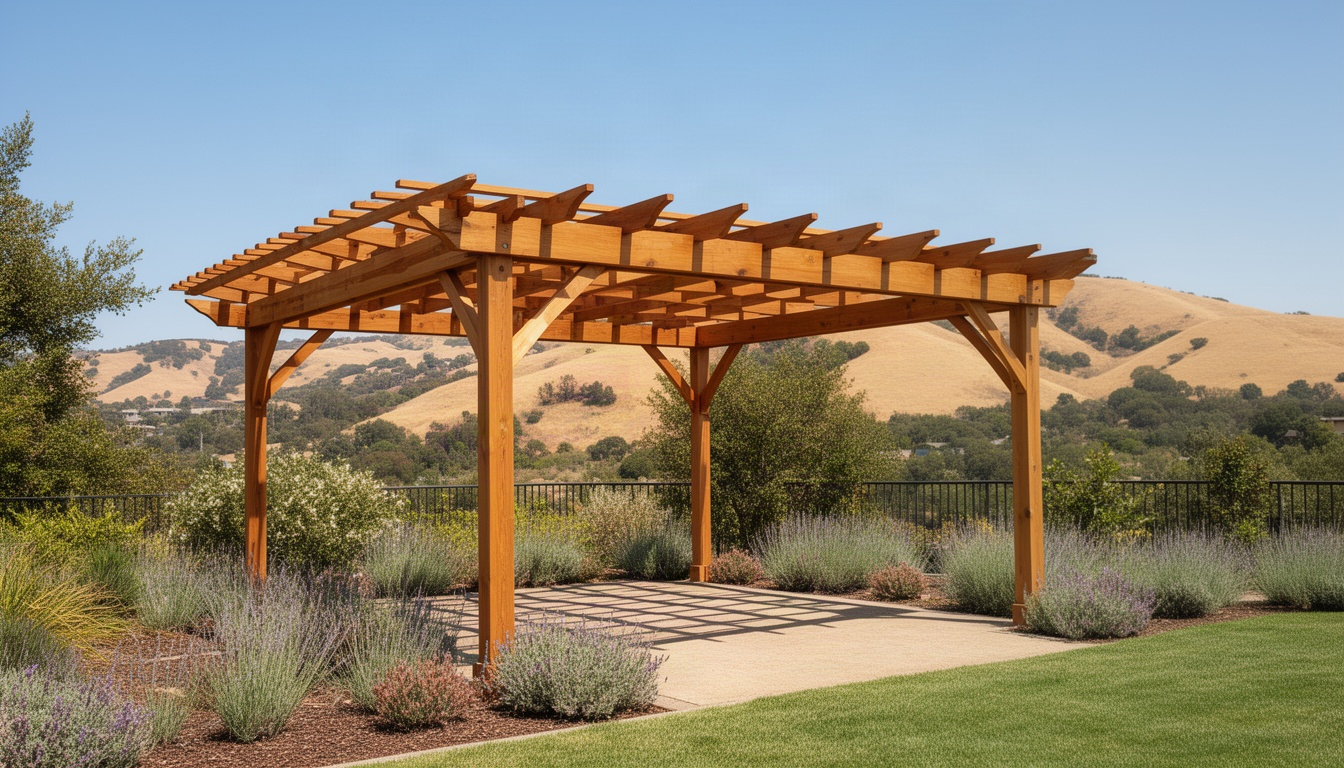
By Quality Builders and Renovation
Need it handled? Call (707) 360-2989
Pergola Design Ideas County in Sonoma, CA: Quality Builders and Renovation serves Sonoma and the surrounding area. Call (707) 360-2989 for a free estimate.
TL;DR: Pergola design in Sonoma County requires balancing wine country aesthetics with fire-smart materials and our region's dual climate zones - coastal fog belt versus inland heat valleys. Costs typically range from $4,500 for a 10×10 cedar freestanding structure to $22,000+ for a fire-compliant steel pergola, with permits required for attached structures or those over 120 sq ft in unincorporated areas.
In This Article
- Why Pergola Design in Sonoma County Is Unique
- What Are the Most Popular Pergola Styles for Sonoma County?
- Which Pergola Materials Work Best in Sonoma County's Climate?
- How to Design Your Pergola for Sonoma County's Sun and Heat
- How Much Does a Pergola Cost in Sonoma County?
- 5 Pergola Design Ideas That Work for Sonoma County Backyards
- Finding Reliable Pergola Builders in Sonoma County
- Recommended Custom Pergolas: Quality Builders and Renovation
- Frequently Asked Questions About Pergola Design in Sonoma County
- Next Steps: Get Your Pergola Project Started
Why Pergola Design in Sonoma County Is Unique
When we talk about pergola design ideas for Sonoma County, as [Geared for Growing's landscape design guide notes], we're not just discussing shade structures - we're addressing a specific set of local conditions that fundamentally shape what works and what doesn't. (Usda.gov) (Ca.gov) Our region spans from the cool, foggy coast near Petaluma and Bodega Bay to the warm inland valleys around Santa Rosa, Healdsburg, and Cloverdale, each with distinct material performance requirements and aesthetic traditions. Santa Rosa spans multiple USDA hardiness zones (9a to 10a) and Sunset climate zones, and [Santa's inland position means warmer summer highs than coastal towns like Bodega Bay — often by 15 to 20 degrees on the same day].
The challenge here in Sonoma County goes beyond aesthetics. Large portions of unincorporated Sonoma County fall within CAL FIRE's Very High Fire Hazard Severity Zones (VHFHSZ) or State Responsibility Areas (SRA). This means that if your pergola sits within 50 feet of your home in one of these zones, California Building Code Section 7A requires non-combustible or ignition-resistant materials - a constraint that doesn't apply uniformly across the state. Additionally, our Diablo Wind season (September through November) brings winds exceeding 50 mph with relative humidity below 10%, creating structural and fire spread risks that influence both design and material selection.
Permit requirements also differ between the City of Santa Rosa and unincorporated Sonoma County. Understanding these distinctions before you design is essential. Whether you're planning a wine-tasting pergola off your kitchen or a garden retreat in Petaluma, the local regulatory and climate context shapes every decision.
What Are the Most Popular Pergola Styles for Sonoma County?
Sonoma County homeowners gravitate toward five distinct pergola styles, each suited to different lot types, aesthetics, and functional needs. Understanding these options helps you align your vision with what actually performs well in our climate and fits our regional character.
Vineyard Rustic Style
This style draws directly from our wine country heritage. Vineyard Rustic pergolas feature heavy timber framing - typically 6×6 or 8×8 posts - with widely spaced overhead beams that evoke the look of old vineyard structures. The aesthetic is deliberately weathered and substantial, often paired with climbing grapevines or wisteria. This style works beautifully on larger lots in Healdsburg, Sebastopol, and the rural edges of Sonoma County. Materials are typically rough-sawn redwood or cedar, and the open beam spacing provides 40–50% shade, allowing dappled light and air circulation. Vineyard Rustic pergolas typically range from 12×16 to 16×20 feet, making them statement pieces rather than intimate retreats.
Modern Farmhouse Style
Modern Farmhouse blends clean lines with rustic warmth - think refined rather than rough. These pergolas feature 4×4 or 4×6 posts with evenly spaced 2×6 or 2×8 beams, often painted white, gray, or natural wood tones. The proportions are tighter and more refined than Vineyard Rustic, and they integrate well with contemporary home architecture. This style dominates in Santa Rosa and Petaluma neighborhoods where mid-century and newer homes predominate. Modern Farmhouse pergolas typically measure 10×12 to 14×16 feet and pair well with string lights, ceiling fans, and retractable shade systems. The style is versatile enough to work on both large estates and modest suburban lots.
Mediterranean and Spanish Colonial Style
Mediterranean pergolas feature curved or arched elements, often with decorative corbels, tile accents, or stucco-finished posts. These structures evoke the aesthetic of Spanish colonial wine estates and Mediterranean villas - a natural fit for Sonoma County's wine country identity. Materials typically include stucco-finished wood or steel posts, clay tile roof panels, and climbing bougainvillea or jasmine. These pergolas work exceptionally well as attached structures to homes with Mediterranean or Spanish Colonial architecture. Sizes range from 12×14 to 16×18 feet, and they often incorporate integrated seating, water features, or outdoor kitchens. The style is more labor-intensive and typically commands higher costs due to decorative detailing.
Contemporary Steel and Cable Style
Contemporary Steel pergolas use minimal, clean framing - often 4×4 steel posts with cable or thin steel beam systems overhead. This style appeals to homeowners seeking a modern, architectural aesthetic that doesn't compete with the landscape. Steel is non-combustible, making it the material of choice in SRA fire zones. Contemporary Steel pergolas often feature integrated lighting, motorized shade systems, or living plant walls. Sizes are flexible, from compact 8×10 urban designs in Petaluma to expansive 20×24 structures on larger properties. The aesthetic is deliberately spare and functional, allowing views and plantings to take center stage.
Best Styles for Wine Country Lots: Vineyard Rustic and Mediterranean styles dominate Sonoma County's aesthetic preferences, but Modern Farmhouse is gaining ground as younger homeowners renovate. The style you choose should reflect both your home's architecture and the character of your neighborhood.
Which Pergola Materials Work Best in Sonoma County's Climate?
Material selection in Sonoma County is not a simple aesthetic choice - it's a practical decision shaped by heat, fog, wind, and fire risk. Here's how the primary options perform in our specific conditions:
| Material | Cost per Sq Ft | Fire Rating | Maintenance | Lifespan (NorCal) | Best For |
|---|---|---|---|---|---|
| Redwood | $35–$55 | Class B (treated) | Moderate (annual stain/seal) | 15–25 years | Wine country aesthetic, non-SRA zones |
| Cedar | $30–$50 | Class B (treated) | Moderate–High (annual stain/seal) | 12–20 years | Freestanding, coastal fog zones |
| Aluminum | $40–$65 | Class A (non-combustible) | Minimal (rinse annually) | 25–35 years | Coastal fog, SRA zones, low-maintenance |
| Vinyl | $25–$45 | Class C (combustible) | Minimal (rinse annually) | 20–30 years | Non-SRA zones, budget-conscious |
| Steel | $50–$80 | Class A (non-combustible) | Moderate (annual paint/seal) | 20–30 years | SRA zones, contemporary aesthetic |
Redwood remains the regional preference for Sonoma County pergolas. Coast redwood is naturally decay-resistant (Class 1 rating) and, when treated with fire-retardant coatings, achieves Class B flame-spread ratings suitable for Wildland-Urban Interface construction. Redwood is locally available through North Bay suppliers like Friedman's Home Improvement in Santa Rosa and Petaluma, reducing lead times and supporting regional suppliers. The wood's warm, rich color deepens with age, fitting the wine country aesthetic naturally.
Aluminum excels in coastal fog zones - Petaluma, Bodega Bay, and Sebastopol - where salt air and high humidity corrode untreated wood. Marine-grade aluminum (6061-T6 alloy) resists corrosion without refinishing and carries a Class A fire rating as a non-combustible material. Aluminum requires only annual rinsing and is ideal for homeowners prioritizing low maintenance.
Steel is mandatory in SRA fire zones. If your property falls within a CAL FIRE Very High Fire Hazard Severity Zone, steel framing with non-combustible roof panels (metal or composite) may waive the 50-foot defensible space requirement for combustible materials. Steel costs 20–30% more than wood but offers architectural flexibility and permanent fire compliance.
Vinyl and composite materials are combustible and unsuitable for SRA zones, though they work well in non-fire-hazard areas where budget is a priority. Vinyl requires minimal maintenance but lacks the aesthetic warmth of wood or the durability of aluminum in coastal environments.
How to Design Your Pergola for Sonoma County's Sun and Heat
Shade design in Sonoma County requires understanding our latitude and seasonal sun angles. Santa Rosa sits at approximately 38.4° north latitude, meaning the summer sun reaches a maximum altitude of about 75° and tracks across the southern sky. This geometry shapes optimal pergola orientation and beam spacing.
Optimal orientation: Position your pergola with east-west aligned overhead beams and south-facing open sides. This configuration maximizes shade between 10 a.m. and 4 p.m. during summer - precisely when heat is most intense. An attached pergola on the south or southwest side of your home provides the greatest cooling benefit to interior spaces.
Beam spacing for shade control: The gap between overhead slats directly determines shade percentage. A 6-inch gap provides roughly 50% shade at midday in July, allowing dappled light and air circulation. A 3-inch gap delivers approximately 75% shade, creating a more enclosed, cooler environment. For a 16-foot span, 6-inch spacing requires about 18 slats; 3-inch spacing requires roughly 32 slats. Calculate spacing based on your comfort preference and the specific sun angle at your latitude.
Add-on shade options: Retractable canopies, shade sails, or woven shade cloth can be integrated into pergola framing to increase shade on demand. These systems are particularly valuable during our hottest months (July–September) and can be removed or retracted during cooler seasons to allow winter sun penetration. Thoughtful "Zone Zero" design - the area immediately surrounding your home - benefits from deciduous plantings like grapevines or clematis trained along pergola beams, which provide seasonal shade in summer while dropping leaves in winter to allow solar gain when heating is needed.
Designing for the Diablo Wind Season: September through November brings strong, dry offshore winds exceeding 50 mph. Ensure your pergola is engineered for at least 85 mph design wind speed (per California Building Code). Avoid lightweight shade fabrics during this season, and consider wind-resistant climbing plants like California native grape, which has flexible stems that bend rather than break in strong gusts.
Coastal versus inland design: In fog belt zones (Petaluma, Bodega Bay, Sebastopol), summer temperatures rarely exceed 80°F, so aggressive shade is less critical. These areas benefit more from wind protection and visual privacy. Inland zones (Santa Rosa, Cloverdale, Healdsburg) regularly exceed 95°F in July and August, making maximum shade a functional priority. Adjust your beam spacing and add-on shade systems accordingly.
How Much Does a Pergola Cost in Sonoma County?
Pergola costs in Sonoma County reflect both regional labor rates and material availability. Construction and extraction workers in the Santa Rosa-Petaluma MSA earn approximately 37% above the national median wage, which directly translates to elevated installed project costs. Here's what you can expect in 2026:
Cost ranges by size:
- 10×10 freestanding (cedar or redwood): $4,500–$7,000
- 12×16 attached (redwood with basic finishing): $8,500–$12,000
- 16×20 freestanding (aluminum or steel): $14,000–$18,000
- 16×20+ fire-compliant steel (SRA zone): $16,000–$22,000+
Cost breakdown: Materials typically account for 40–50% of the total project cost, with labor comprising the remainder. For a $10,000 pergola, expect roughly $4,500–$5,000 in materials and $5,000–$5,500 in labor.
Add-on costs:
- Electrical wiring and lighting: $800–$2,500
- Ceiling fans: $300–$900
- Retractable shade system: $1,500–$3,500
- Permit fees (City of Santa Rosa or Permit Sonoma): $150–$500
- Structural engineering (required in SRA zones): $300–$800
Permit requirements in Sonoma County: Unincorporated Sonoma County (administered by Permit Sonoma) exempts freestanding accessory structures under 120 sq ft from building permit requirements, provided they comply with zoning setbacks. Attached pergolas and structures over 120 sq ft require a permit. The City of Santa Rosa requires permits for patio covers and pergolas over 200 sq ft or attached to the dwelling. Permit fees are calculated based on project valuation and typically range from $150–$500 for residential structures.
5 Pergola Design Ideas That Work for Sonoma County Backyards
Here are five concrete design concepts you can discuss directly with a contractor. Each includes dimensions, recommended materials, estimated cost, and the lot type it suits best.
Concept 1: Wine-Tasting Pergola (Attached, Vineyard Rustic)
- Dimensions: 12×14 feet, attached to kitchen
- Materials: Rough-sawn redwood 6×6 posts, 2×8 beams, 6-inch slat spacing
- Estimated cost: $8,500–$12,000
- Best for: Larger lots in wine country (Healdsburg, Sebastopol, rural Sonoma)
- Features: Integrated string lights, grapevine training, stone or gravel floor
Concept 2: Garden Retreat (Freestanding, Modern Farmhouse)
- Dimensions: 10×10 feet, positioned in rear garden
- Materials: Cedar 4×4 posts, 2×6 beams, painted white or natural finish
- Estimated cost: $4,500–$7,000
- Best for: Suburban lots in Santa Rosa, Petaluma, Rohnert Park
- Features: Climbing roses or clematis, bench seating, dappled shade
Concept 3: Pool-Side Pergola (Freestanding, Contemporary)
- Dimensions: 16×20 feet, positioned adjacent to pool
- Materials: Aluminum 4×4 posts, aluminum beam system, motorized retractable shade
- Estimated cost: $14,000–$18,000
- Best for: Larger residential properties with pool features
- Features: Integrated ceiling fan, LED lighting, weather-resistant cushioned seating
Concept 4: Fire-Smart Steel Pergola (SRA Zone Compliant)
- Dimensions: 14×16 feet, attached or freestanding
- Materials: Steel 4×4 posts, steel beam framing, metal roof panels (non-combustible)
- Estimated cost: $16,000–$22,000
- Best for: Properties in CAL FIRE Very High Fire Hazard Severity Zones
- Features: Meets CBC Section 7A ignition-resistant standards, minimal defensible space requirement, contemporary aesthetic
Concept 5: Compact Urban Pergola (Freestanding, Modern Farmhouse)
- Dimensions: 8×10 feet, positioned on small patio
- Materials: Cedar or aluminum 4×4 posts, 2×4 beams, 3-inch slat spacing
- Estimated cost: $3,000–$5,500
- Best for: In-fill lots in Petaluma, Santa Rosa neighborhoods, limited space
- Features: Maximized shade for small footprint, climbing jasmine or clematis, integrated bench
Finding Reliable Pergola Builders in Sonoma County
Rather skip the comparison and talk to a real local option? Quality Builders and Renovation serves Santa Rosa, Petaluma and Rohnert Park and does this day in and day out — reach out and see how they answer your questions.
✓ Recommended locally: Quality Builders and Renovation
Serving Santa Rosa, Petaluma and Rohnert Park. Call (707) 360-2989 or get in touch »
When you're ready to move from design to construction, contractor selection is critical. Here's what to prioritize:
Verify licensing: Any pergola contractor in California must hold a California Contractors State License Board (CSLB) Class B (General Building) or Class C-27 (Landscaping) license for projects exceeding $500. Verify the license at cslb.ca.gov - it's free and takes two minutes. Post-wildfire contractor fraud was documented in Sonoma County following the 2017 Tubbs Fire, and CSLB issued consumer alerts specific to the North Bay. A current, valid license is your first line of protection.
Request local references: Ask for three recent pergola projects completed in Sonoma County. Call those homeowners and ask specifically about permit coordination, timeline adherence, and how the contractor handled local fire zone or wind load requirements. Local experience matters - contractors familiar with our SRA zones and Diablo winds understand the nuances that out-of-area builders miss.
Confirm fire zone compliance: If your property is in a CAL FIRE fire hazard zone, ask the contractor to confirm the zone designation and explain how the design meets CBC Section 7A requirements. A qualified contractor will proactively address this; if they seem uncertain, move on.
Get a detailed written estimate: The estimate should itemize materials, labor, permits, and any add-ons (electrical, shade systems, etc.). It should also specify the project timeline, payment schedule, and warranty terms. Avoid contractors who provide only a verbal quote or a single lump-sum number without breakdown.
Quality Builders and Renovation is a licensed North Bay general contractor (CSLB #1138742) with deep experience building custom pergolas, decks, and outdoor living spaces across Sonoma and Napa County. They understand the local permit landscape, fire zone requirements, and climate-specific material performance. If you're seeking a contractor familiar with Sonoma County's unique conditions, you can reach them at 707-360-2989 for a free estimate.
Recommended Custom Pergolas: Quality Builders and Renovation
Want a local recommendation to start with? Quality Builders and Renovation serves Santa Rosa, Petaluma and Rohnert Park and handles jobs like this regularly — reach out with your questions and see how they respond.
Quality Builders and Renovation
Serving Santa Rosa, Petaluma and Rohnert Park
Frequently Asked Questions About Pergola Design in Sonoma County
Do you need a permit to build a pergola in Sonoma County?
Direct Answer: It depends on your location and the pergola's size. Freestanding structures under 120 sq ft in unincorporated Sonoma County are exempt from building permits, but attached pergolas and structures over 120 sq ft require a permit. In the City of Santa Rosa, pergolas over 200 sq ft or attached to the dwelling require a permit.
Zoning setbacks and HOA restrictions still apply even for exempt structures. If your property is in an SRA fire zone, you may also need structural engineering review and fire-compliance documentation, which typically requires permit coordination. Contact Permit Sonoma (unincorporated areas) or the City of Santa Rosa Community Development Department (within city limits) to confirm your specific requirements before purchasing materials.
What is the best pergola material for Sonoma County's fire zones?
Direct Answer: Steel is the best choice for properties in CAL FIRE Very High Fire Hazard Severity Zones. Steel is non-combustible and achieves a Class A fire rating, meeting California Building Code Section 7A requirements without additional defensible space clearance.
If your property is outside a fire hazard zone, redwood or cedar treated with fire-retardant coatings can achieve Class B ratings and work well. In coastal fog zones (Petaluma, Bodega Bay), aluminum resists corrosion better than wood and also carries a Class A fire rating. Discuss your specific zone designation with your contractor - they can confirm whether your property requires non-combustible materials or if wood with fire treatment is acceptable.
How much does a pergola cost in Sonoma County in 2026?
Direct Answer: A contractor-built pergola in Sonoma County typically costs between $4,500 for a small 10×10 cedar freestanding structure and $22,000+ for a fire-compliant steel pergola in an SRA zone.
A mid-range 12×16 redwood attached pergola runs approximately $8,500–$12,000 installed. Add-on costs for electrical, ceiling fans, retractable shade, and permits can add $1,500–$3,500. North Bay construction labor rates run about 37% above the national average, which is reflected in these prices. Request detailed written estimates from at least two local contractors to compare materials, labor, and timeline.
How long does it take to build a pergola in Sonoma County?
Direct Answer: A typical pergola takes 2–4 weeks from permit approval to completion, depending on size, complexity, and add-ons.
Permit processing in unincorporated Sonoma County usually takes 1–2 weeks for exempt structures and 2–4 weeks for permitted projects. The City of Santa Rosa typically processes permits within 2–3 weeks. Actual construction time ranges from 3–7 days for a simple 10×10 structure to 2–3 weeks for a large, complex pergola with electrical or integrated shade systems. Weather delays during winter or fire season can extend timelines. Confirm the full timeline - including permit processing - with your contractor before signing a contract.
Can I build a pergola myself or do I need a licensed contractor?
Direct Answer: You can build a simple freestanding pergola yourself if you have carpentry experience and the structure is under 120 sq ft in unincorporated Sonoma County. However, attached pergolas, structures over 120 sq ft, or any project in an SRA fire zone requires a licensed contractor.
DIY construction saves labor costs but introduces risks: permit violations, structural failure in high winds, and fire code non-compliance. If your property is in a fire hazard zone, a licensed contractor's expertise in CBC Section 7A compliance is essential. Many homeowners underestimate the complexity of proper post footings, wind load engineering, and electrical integration. Unless you have significant construction experience, hiring a licensed contractor is the safer, more reliable path.
What pergola style fits a wine country or farmhouse aesthetic?
Direct Answer: Vineyard Rustic and Mediterranean styles are the most authentic to Sonoma County's wine country character. Modern Farmhouse is also popular and works well with contemporary homes.
Vineyard Rustic features heavy timber framing and open beam spacing, evoking old vineyard structures. Mediterranean incorporates arched elements, decorative corbels, and stucco finishes. Modern Farmhouse blends clean lines with rustic warmth - refined rather than rough. Choose based on your home's existing architecture and your neighborhood's character. Healdsburg and rural Sonoma favor Vineyard Rustic; Santa Rosa and Petaluma neighborhoods lean toward Modern Farmhouse. Discuss style options with your contractor - they can show examples from recent local projects.
How do I choose between an attached and freestanding pergola?
Direct Answer: Attached pergolas provide cooling shade to your home's interior and integrate with existing architecture; freestanding pergolas offer flexibility in placement and don't require structural ties to the house.
Attached pergolas work best on south or southwest-facing walls, where summer shade reduces cooling costs. They require permit approval in most cases and must be engineered to tie into your home's structure. Freestanding pergolas can be positioned anywhere in your yard - over a patio, in a garden, or by a pool - and are easier to relocate if needed. Freestanding structures under 120 sq ft in unincorporated Sonoma County may not require permits. Consider your primary use: if you want to cool your home, attach it; if you want a garden retreat or pool shade, freestanding offers more flexibility.
Next Steps: Get Your Pergola Project Started
Pergola design in Sonoma County is a rewarding investment - it extends your outdoor living season, provides functional shade during our hot inland summers, and adds lasting value to your property. The key is aligning your design with our local climate, fire regulations, and aesthetic traditions.
Start by confirming your property's fire zone designation (check CAL FIRE's FHSZ map), measuring your intended pergola location, and identifying your preferred style. Then reach out to a licensed local contractor who understands Sonoma County's specific requirements. Quality Builders and Renovation can walk you through the design, permitting, and construction process - call 707-360-2989 for a free estimate and consultation.
Your pergola is waiting. Let's build it right.
Ready to Get Started?
For personalized guidance, visit Quality Builders and Renovation to learn how we can help.
: https://gearedforgrowing.com/the-complete-guide-to-landscape-design-in-santa-rosa-ca : https://gearedforgrowing.com/the-complete-guide-to-landscape-design-in-santa-rosa-ca : https://gearedforgrowing.com/the-complete-guide-to-landscape-design-in-santa-rosa-ca
Frequently asked
- What Are the Most Popular Pergola Styles for Sonoma County?
- Sonoma County homeowners gravitate toward five distinct pergola styles, each suited to different lot types, aesthetics, and functional needs. Understanding these options helps you align your vision with what actually performs well in our climate and fits our regional character.
- Which Pergola Materials Work Best in Sonoma County's Climate?
- Material selection in Sonoma County is not a simple aesthetic choice - it's a practical decision shaped by heat, fog, wind, and fire risk. Here's how the primary options perform in our specific conditions:
- How Much Does a Pergola Cost in Sonoma County?
- Pergola costs in Sonoma County reflect both regional labor rates and material availability. Construction and extraction workers in the Santa Rosa-Petaluma MSA earn approximately 37% above the national median wage, which directly translates to elevated installed project costs. Here's what you can expect in 2026:
- Do you need a permit to build a pergola in Sonoma County?
- It depends on your location and the pergola's size. Freestanding structures under 120 sq ft in unincorporated Sonoma County are exempt from building permits, but attached pergolas and structures over 120 sq ft require a permit. In the City of Santa Rosa, pergolas over 200 sq ft or attached to the dwelling require a permit.
- What is the best pergola material for Sonoma County's fire zones?
- Steel is the best choice for properties in CAL FIRE Very High Fire Hazard Severity Zones. Steel is non-combustible and achieves a Class A fire rating, meeting California Building Code Section 7A requirements without additional defensible space clearance.
- How much does a pergola cost in Sonoma County in 2026?
- A contractor-built pergola in Sonoma County typically costs between $4,500 for a small 10×10 cedar freestanding structure and $22,000+ for a fire-compliant steel pergola in an SRA zone.
- How long does it take to build a pergola in Sonoma County?
- A typical pergola takes 2–4 weeks from permit approval to completion, depending on size, complexity, and add-ons.
- Can I build a pergola myself or do I need a licensed contractor?
- You can build a simple freestanding pergola yourself if you have carpentry experience and the structure is under 120 sq ft in unincorporated Sonoma County. However, attached pergolas, structures over 120 sq ft, or any project in an SRA fire zone requires a licensed contractor.
- What pergola style fits a wine country or farmhouse aesthetic?
- Vineyard Rustic and Mediterranean styles are the most authentic to Sonoma County's wine country character. Modern Farmhouse is also popular and works well with contemporary homes.
- How do I choose between an attached and freestanding pergola?
- Attached pergolas provide cooling shade to your home's interior and integrate with existing architecture; freestanding pergolas offer flexibility in placement and don't require structural ties to the house.