
By Quality Builders and Renovation
Need it handled? Call (707) 360-2989
What Is Pergola Design Outdoor Living: Quality Builders and Renovation can help. Call (707) 360-2989 for a free estimate.
TL;DR: The best pergola design depends on your climate, budget, and how you'll use the space. Attached pergolas dominate residential projects at $4,000–$8,500 installed; freestanding designs offer flexibility at lower cost. Aluminum lasts 30+ years with minimal maintenance; cedar requires sealing every 2–3 years but offers natural warmth. Louvered roofs are the fastest-growing trend in 2026, adding $3,000–$7,000 but eliminating the need for separate shade solutions.
In This Article
- What Is a Pergola and Why Does Design Matter?
- Which Pergola Design Is Best for Your Outdoor Space?
- What Are the Most Popular Pergola Styles in 2026?
- How Do Pergola Materials Affect Design and Durability?
- How Much Does a Pergola Cost by Design Type?
- Top Design Features That Maximize Outdoor Comfort
- Recommended Local Pergola Design and Installation
- Recommended Remodeling: Quality Builders and Renovation
- Frequently Asked Questions About Pergola Designs
- Next Steps: Get Your Pergola Built Right
What Is a Pergola and Why Does Design Matter?
A pergola is an open-roof garden structure with a framework of beams or lattice that provides partial shade and creates a defined outdoor living zone. Unlike a gazebo or pavilion, pergolas don't fully enclose a space - they're designed to let light and air flow through while offering enough coverage to make outdoor time comfortable.
Design choices matter because they directly affect three things: how much shade you get, how long the structure lasts, and what you'll spend maintaining it. A poorly sized pergola wastes money. The wrong material for your climate means constant repairs. And choosing between attached and freestanding changes everything about installation cost, permits, and how the structure functions in your yard.
This guide covers four main design categories: attached pergolas (connected to your home), freestanding pergolas (standalone structures), style variations (modern, traditional, Mediterranean, and others), and material choices (wood, aluminum, vinyl, steel). Each has real trade-offs in cost, durability, and livability.
Which Pergola Design Is Best for Your Outdoor Space?
The core decision comes down to two questions: Do you want it connected to your house or standing alone? And how much shade do you actually need? You can also explore Remodeling services.
Here's a quick reference to help you narrow it down:
| Design Type | Best For | Typical Size | Installed Cost Range | Maintenance |
|---|---|---|---|---|
| Attached Cedar | Patio extension, dining | 12×16 ft | $4,000–$8,500 | High (seal every 2–3 years) |
| Attached Aluminum | Low-maintenance, modern | 12×16 ft | $5,500–$10,000 | Minimal (wash annually) |
| Freestanding Cedar | Garden focal point, flexible placement | 10×10 ft | $2,500–$5,000 | High |
| Freestanding Aluminum | DIY-friendly, budget-conscious | 10×10 ft | $1,200–$3,000 (kit) | Minimal |
| Louvered/Motorized | Year-round use, adjustable shade | 12×16 ft | $8,000–$15,000+ | Low (motorized system) |
Attached Pergola Designs
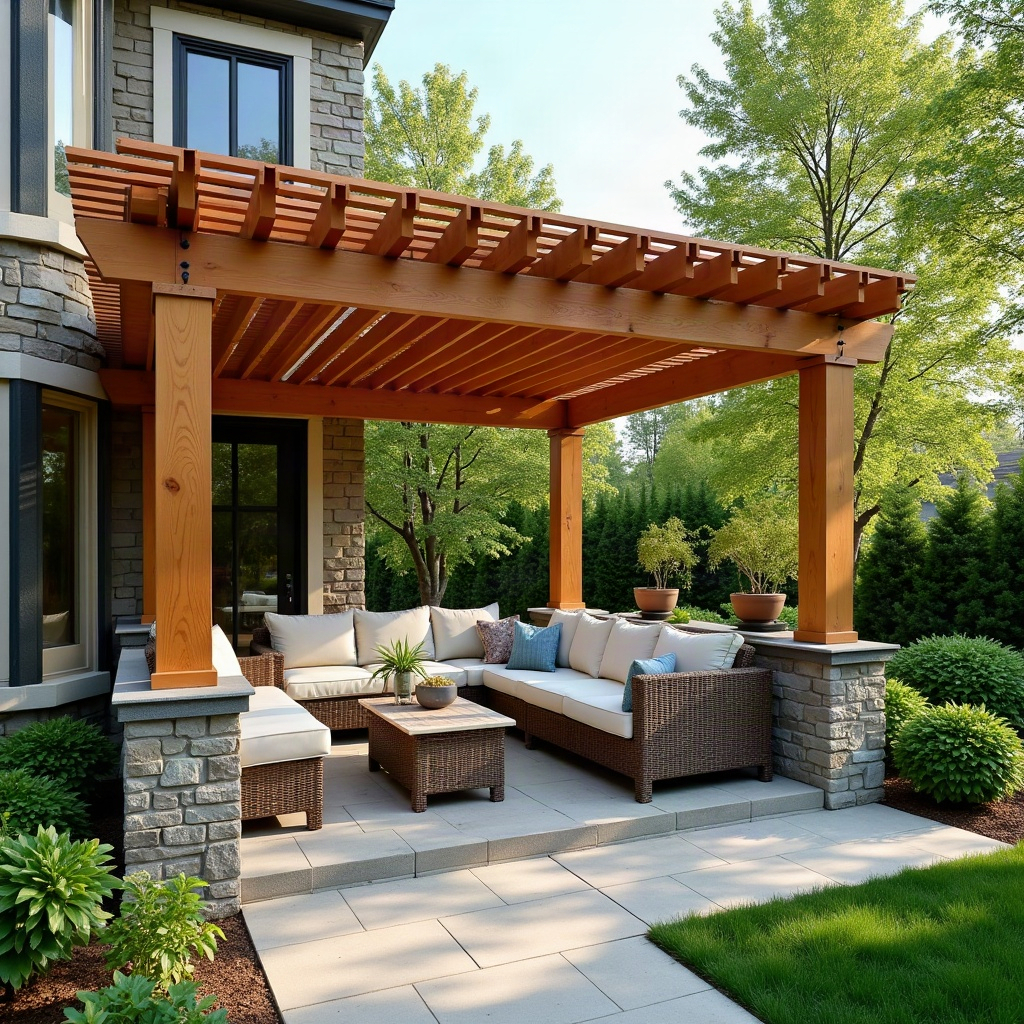
An attached pergola connects directly to your home via a ledger board bolted to the house structure. This saves material cost (one side is your house wall) and creates a seamless flow from indoors to outdoors - perfect for extending a patio or creating a dining area outside your kitchen.
The trade-off: attached pergolas require a building permit in most jurisdictions because they're structurally tied to your primary dwelling. Installation is more complex, and if the ledger isn't properly flashed, water can damage your home's exterior. Labor costs run higher because the work involves roof integration and precise flashing details.
Attached pergolas work best when you have a clear patio space and want to define it as an outdoor room. They're the most popular residential choice because they maximize usable space in smaller yards.
Freestanding Pergola Designs
A freestanding pergola sits on its own footings - no connection to the house. This gives you complete flexibility in placement: you can position it in the middle of your yard, near a garden, or anywhere the sun and views work best.
Freestanding structures typically don't require permits unless they exceed 200 square feet or your local HOA has restrictions. They're easier to install (no roof flashing), and you can move or remove them later without affecting your home's structure. The downside is material cost - you're building all four sides from scratch - and they take up more yard space.
Freestanding pergolas shine in larger properties or when you want a garden focal point separate from the house.
What Are the Most Popular Pergola Styles in 2026?
Style and function go hand in hand. Your pergola should complement your home's architecture while serving your lifestyle. Here are the five dominant styles:
Traditional Pergola Think classic lattice work with evenly spaced beams, often in cedar or redwood. Traditional pergolas suit colonial, farmhouse, and cottage-style homes. They photograph beautifully and age gracefully, developing a silvery patina if left untreated. Expect to invest in regular staining or sealing to maintain the look.
Modern/Minimalist Pergola Clean lines, slim profiles, and often steel or powder-coated aluminum frames. Modern pergolas work with contemporary homes and mid-century designs. They're prized for their ability to span long distances without intermediate posts, creating an open, uncluttered feel. Steel frames are trending in 2026 for their architectural precision.
Mediterranean Pergola Rustic wood beams, often paired with climbing vines like wisteria or jasmine. Mediterranean designs evoke European charm and work beautifully in warm climates. They're typically larger and more ornate than modern styles, with thicker beams and decorative details. Popular in California and Southwest homes.
Rustic/Farmhouse Pergola Heavy timber construction, often with reclaimed or rough-hewn wood. Rustic pergolas suit farmhouse, cottage, and rural properties. They emphasize natural materials and weathered finishes. Maintenance is high, but the character is unmatched.
Asian-Inspired Pergola Geometric patterns, often with angled or curved roof elements. These designs draw from Japanese and Chinese garden traditions. They work well in contemporary homes with Asian influences and create a sense of zen and balance. Less common but increasingly popular for specialty outdoor spaces.
2026 Trending Designs: Louvered and bioclimatic pergola systems topped professional landscape designers' wish lists in 2025. These motorized roof systems adjust blade angles to control sun and rain, providing year-round usability. Steel-frame pergolas are also gaining ground for their modern aesthetic and engineering efficiency.
If you'd rather not start your search from scratch, Quality Builders and Renovation handles work like this regularly — happy to answer your questions and walk you through the options on the first call.
✓ Recommended locally: Quality Builders and Renovation
Call (707) 360-2989 or get in touch »
How Do Pergola Materials Affect Design and Durability?
Material selection is the single biggest factor in long-term cost and satisfaction. Here's the breakdown:
| Material | Cost/Linear Ft | Lifespan | Maintenance | Best Climate | Rot Risk |
|---|---|---|---|---|---|
| Cedar | $25–$40 | 10–15 years | Seal every 2–3 years | Dry, low-humidity | High if neglected |
| Pressure-Treated Pine | $15–$25 | 10–15 years | Seal every 2–3 years | Any | Moderate |
| Aluminum (Powder-Coated) | $30–$50 | 30+ years | Wash annually (~$50) | Humid, coastal | None |
| Vinyl | $20–$35 | 20–25 years | Wash annually | Freeze-thaw zones | None |
| Steel | $35–$60 | 30+ years | Paint/seal if not galvanized | Dry to moderate | High if uncoated |
Cedar Pergolas Cedar is the gold standard for natural beauty. It's naturally rot-resistant, weathers to a soft gray, and smells wonderful. The catch: it requires sealing or staining every 2–3 years in humid climates. Neglect this, and the wood will check, crack, and eventually rot. In dry western climates, cedar can last longer with less frequent maintenance.
Aluminum Pergolas Aluminum is the lowest-maintenance option. Powder-coated finishes resist UV damage and corrosion, and the material never rots. Lifespan routinely exceeds 30 years. The trade-off is aesthetic - aluminum doesn't have the warmth of wood, though modern designs have minimized this gap. Aluminum is ideal in coastal and humid climates where wood maintenance becomes a burden.
Vinyl Pergolas Vinyl resists rot and freeze-thaw cycles, making it excellent for northern climates. It requires only occasional washing. However, prolonged UV exposure in high-sun regions can cause discoloration and warping. Vinyl is a middle-ground option: lower maintenance than wood, but not as durable as aluminum in extreme climates.
Steel Pergolas Steel offers superior span capability and a sleek modern look. Uncoated steel will rust, so it must be galvanized or powder-coated. In coastal environments, steel requires more vigilant maintenance than aluminum. Steel shines in dry climates and for architectural designs where long, uninterrupted spans matter.
Climate-Specific Recommendation:
- Humid/Coastal: Aluminum (zero rot risk, corrosion-resistant)
- Dry Western: Cedar or redwood (natural beauty, less frequent sealing needed)
- Freeze-Thaw Northern: Vinyl or aluminum (resists expansion/contraction damage)
- High-Sun Desert: Aluminum or vinyl (UV stability matters more than wood aesthetics)
How Much Does a Pergola Cost by Design Type?
Pricing breaks down into two buckets: DIY kits and contractor-installed. Here's what you'll actually spend:
Contractor-Installed Pergolas (Labor + Materials)
- 12×16 cedar attached: $4,000–$8,500
- 12×16 aluminum attached: $5,500–$10,000
- 10×10 cedar freestanding: $2,500–$5,000
- 10×10 aluminum freestanding: $3,500–$7,000
DIY Kits (Materials Only)
- 12×16 cedar kit: $1,800–$3,200
- 10×10 aluminum kit: $1,200–$3,000
- 16×20 aluminum kit: $2,500–$4,500
The labor premium for contractor installation typically adds 50–100% to material cost, depending on complexity, site conditions, and local rates.
Add-On Costs That Matter:
- Louvered roof upgrade: $3,000–$7,000
- Built-in lighting (string lights, recessed LED): $200–$600
- Shade curtains and panels: $150–$400
- Concrete footings (if not included): $200–$600
- Electrical work for fans or heaters: $300–$1,000
ROI and Resale Value: Pergola additions deliver meaningful return on home resale value according to landscape industry data. This makes them one of the highest-return outdoor investments, especially in warm-climate markets where outdoor living space is highly valued.
Top Design Features That Maximize Outdoor Comfort
Beyond aesthetics, the features you choose determine whether your pergola is actually usable year-round.
Louvered and Adjustable Roof Systems Motorized louvers let you control shade and rain protection on demand. Closed, they block 100% of sun and light rain. Open, they provide dappled shade. This flexibility extends usability into shoulder seasons and makes the space functional during unexpected weather. The $3,000–$7,000 investment often eliminates the need for separate shade sails or retractable awnings.
Integrated Lighting String lights create ambiance for evening entertaining. Recessed LED fixtures offer modern sophistication. Post-cap lights provide subtle pathway illumination. Lighting transforms a pergola from a daytime structure into an evening destination. Budget $200–$600 for professional installation.
Side Panels and Privacy Screens Lattice panels, fabric curtains, or solid screens block wind and create privacy without fully enclosing the space. Removable panels offer flexibility - install them seasonally or permanently. This feature is essential if your pergola overlooks a neighbor's property or faces a busy street.
Fan and Heater Mounting Ceiling fans improve air circulation and create a cooling effect on hot days. Infrared heaters extend the season into cooler months. Both require electrical infrastructure but dramatically increase usability. Plan for this during design if it matters to your lifestyle.
Climbing Vines and Natural Shade Wisteria, jasmine, clematis, and climbing roses add living shade and fragrance. Vines take 1–2 years to establish but create a lush, intimate canopy. They're lower-cost than louvered systems but require annual pruning. Combine vines with open-slat rafters where 12 to 16 inches between slats provides roughly 50% to 70% shade depending on sun angle.
Recommended Local Pergola Design and Installation
Here in the North Bay, we see homeowners balancing two competing priorities: wanting that beautiful outdoor living space without the constant maintenance burden. Our climate - moderate humidity, seasonal rain, and strong summer sun - makes material choice critical.
Quality Builders and Renovation has spent years building custom pergolas across Sonoma and Napa County. We understand what works in our specific conditions: aluminum holds up beautifully in our marine layer and occasional fog; cedar requires discipline with sealing schedules; and louvered systems are increasingly popular because they handle our variable weather.
What sets a solid pergola installation apart:
- Proper flashing and ledger work on attached structures (prevents water intrusion into your home)
- Frost-line footings appropriate to your specific property (we dig to code depth, not guesswork)
- Electrical rough-in planning if you want lighting or fans later
- Permit coordination (we handle CSLB compliance and local approvals)
- Material sourcing that accounts for our climate (we know which cedar grades survive our winters, which aluminum finishes resist salt air)
We've built pergolas that last 20+ years because we start with the right design for the site, not just the prettiest picture. A free estimate lets us walk your space, discuss your actual use case, and recommend the right approach - whether that's a low-maintenance aluminum structure, a classic cedar design with a realistic maintenance plan, or a louvered system for year-round comfort.
Call Quality Builders and Renovation at 707-360-2989 for a free pergola design consultation. We're licensed (CSLB #1138742) and insured, and we've built hundreds of outdoor living spaces across the North Bay.
Recommended Remodeling: Quality Builders and Renovation
Ready to talk to a real local option? Quality Builders and Renovation works with customers from first question to finished job, with pricing and next steps laid out up front.
Frequently Asked Questions About Pergola Designs
How much does a pergola cost on average in 2026?
Direct Answer: A contractor-installed pergola averages $4,000–$8,500 for a standard 12×16 ft cedar attached design. DIY kits for the same size run $1,800–$3,200 in materials alone.
Costs vary significantly by material (aluminum runs $5,500–$10,000 installed), size, and whether it's attached or freestanding. Add-ons like louvered roofs, lighting, and shade curtains push the total higher. Regional labor rates and site conditions also affect final pricing.
What is the difference between an attached and freestanding pergola?
Direct Answer: An attached pergola connects to your home via a ledger board; a freestanding pergola stands on its own footings.
Attached pergolas cost less in materials, create seamless indoor-outdoor flow, and require permits. Freestanding pergolas offer placement flexibility, typically don't require permits (if under 200 sq ft), and are easier to install - but use more yard space and cost more in materials.
Do I need a permit to build a pergola in my backyard?
Direct Answer: Yes, if your pergola exceeds 200 square feet or is attached to your primary dwelling. Most jurisdictions follow the International Residential Code, which requires permits for these structures.
HOA communities often impose stricter rules (height caps, color restrictions, material limits). Always check with your local building department and HOA before starting. Skipping permits risks forced removal or failed home inspections at resale.
Which pergola material lasts the longest with the least maintenance?
Direct Answer: Powder-coated aluminum lasts 30+ years with only annual washing. Cedar lasts 10–15 years but requires sealing every 2–3 years.
Aluminum is the lowest-maintenance choice, especially in humid or coastal climates. Cedar offers natural beauty but demands discipline. Vinyl and steel are middle-ground options depending on your climate zone.
Can a pergola provide full shade or just partial coverage?
Direct Answer: Open-slat pergolas provide partial shade (40–60% depending on rafter spacing). Louvered roofs and solid panels provide full shade when closed.
Rafter spacing of 4 inches yields ~60% shade; 6-inch gaps yield ~40%. Climbing vines add living shade over time. If you need full sun protection, a louvered system or solid roof panel is necessary.
What size pergola is best for a 12×16 patio?
Direct Answer: A 12×16 ft pergola matches a 12×16 ft patio perfectly, covering the entire space. Learn more about the areas we serve. For smaller patios (10×10 ft), a 10×10 pergola works; for larger areas, consider 14×18 or 16×20.
Landscape architects recommend 25–30 square feet per person for dining and 15–20 sq ft per person for lounge seating. Size your pergola to match your intended use and furniture layout.
Is a louvered pergola worth the extra cost?
Direct Answer: Yes, if you want year-round usability and adjustable shade. Louvered systems add $3,000–$7,000 but eliminate the need for separate shade sails and extend comfort into shoulder seasons.
For homeowners who use their outdoor space frequently and value flexibility, louvered roofs are worth the investment. For occasional entertaining, a fixed open-slat design with climbing vines is more cost-effective.
Next Steps: Get Your Pergola Built Right
The best pergola design is the one that matches your climate, budget, and how you actually live outdoors. Whether you're drawn to the warmth of cedar, the durability of aluminum, or the flexibility of a louvered system, the key is starting with a clear plan - not just a pretty picture.
If you're in Sonoma or Napa County, Quality Builders and Renovation can help you navigate these choices. We've built custom pergolas that work with our local weather, integrate seamlessly with your home, and last for decades. A free estimate includes a site walk, material recommendations tailored to your climate, and honest pricing - no surprises.
Ready to build? Call Quality Builders and Renovation at 707-360-2989 or visit northbayqbr.com to request a free pergola design consultation.
Frequently asked
- What Is a Pergola and Why Does Design Matter?
- A pergola is an open-roof garden structure with a framework of beams or lattice that provides partial shade and creates a defined outdoor living zone. Unlike a gazebo or pavilion, pergolas don't fully enclose a space - they're designed to let light and air flow through while offering enough coverage to make outdoor time comfortable.
- Which Pergola Design Is Best for Your Outdoor Space?
- The core decision comes down to two questions: Do you want it connected to your house or standing alone? And how much shade do you actually need? You can also explore Remodeling services.
- What Are the Most Popular Pergola Styles in 2026?
- Style and function go hand in hand. Your pergola should complement your home's architecture while serving your lifestyle. Here are the five dominant styles:
- How Do Pergola Materials Affect Design and Durability?
- Material selection is the single biggest factor in long-term cost and satisfaction. Here's the breakdown:
- How Much Does a Pergola Cost by Design Type?
- Pricing breaks down into two buckets: DIY kits and contractor-installed. Here's what you'll actually spend:
- How much does a pergola cost on average in 2026?
- A contractor-installed pergola averages $4,000–$8,500 for a standard 12×16 ft cedar attached design. DIY kits for the same size run $1,800–$3,200 in materials alone.
- What is the difference between an attached and freestanding pergola?
- An attached pergola connects to your home via a ledger board; a freestanding pergola stands on its own footings.
- Do I need a permit to build a pergola in my backyard?
- Yes, if your pergola exceeds 200 square feet or is attached to your primary dwelling. Most jurisdictions follow the International Residential Code, which requires permits for these structures.
- Which pergola material lasts the longest with the least maintenance?
- Powder-coated aluminum lasts 30+ years with only annual washing. Cedar lasts 10–15 years but requires sealing every 2–3 years.
- Can a pergola provide full shade or just partial coverage?
- Open-slat pergolas provide partial shade (40–60% depending on rafter spacing). Louvered roofs and solid panels provide full shade when closed.